Chapter 27: The Last Pahlavan / The Breath of the One
On this page
Chapter 27: The Last Pahlavan / The Breath of the One
River's Narrative (Oracle): Sattar Khan and the Dream of Justice
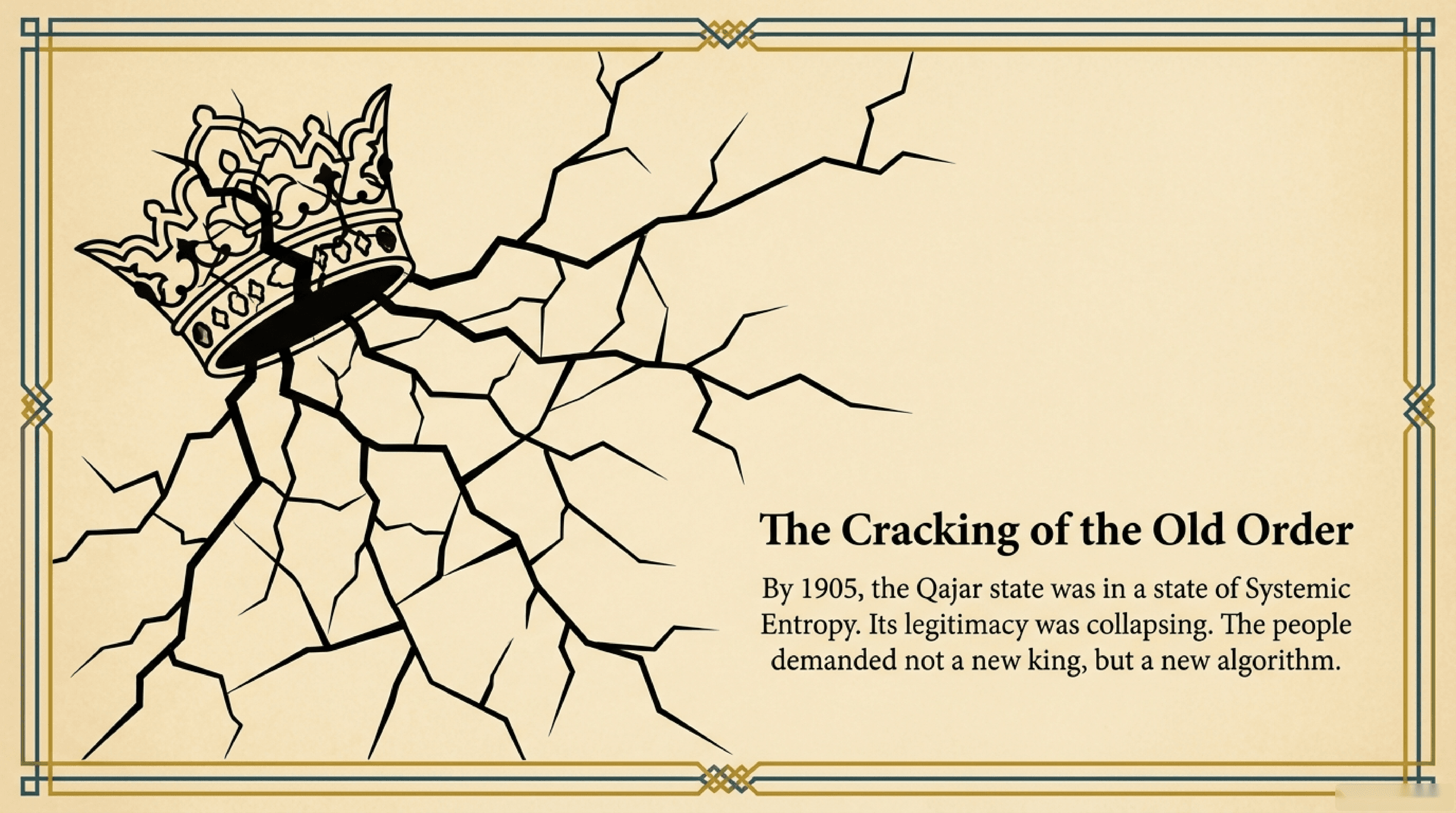
In the Qajar stasis, the "House of Justice" was born. New heroes rose from the bazaar to turn the individual fortress into a legal one.
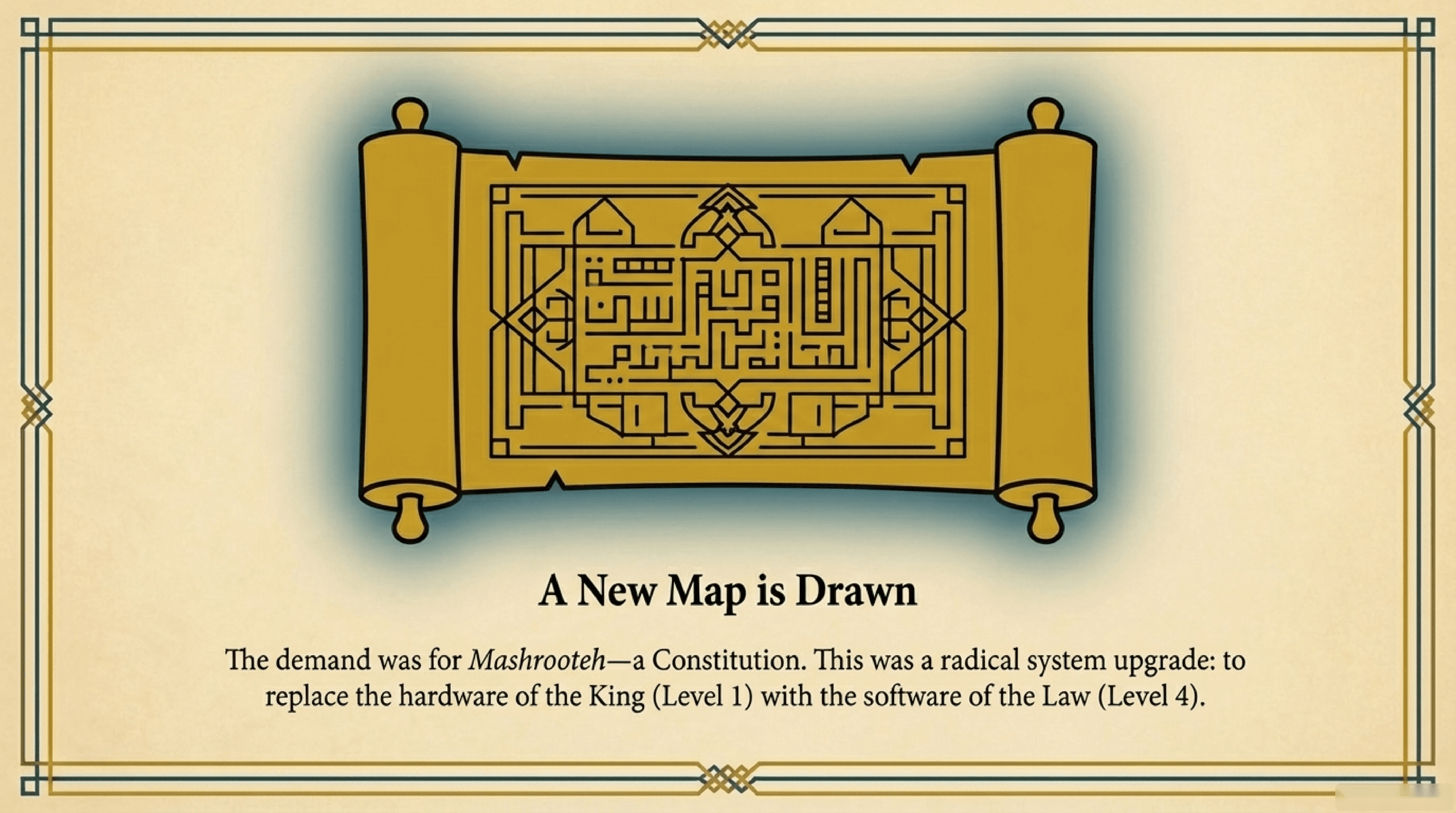
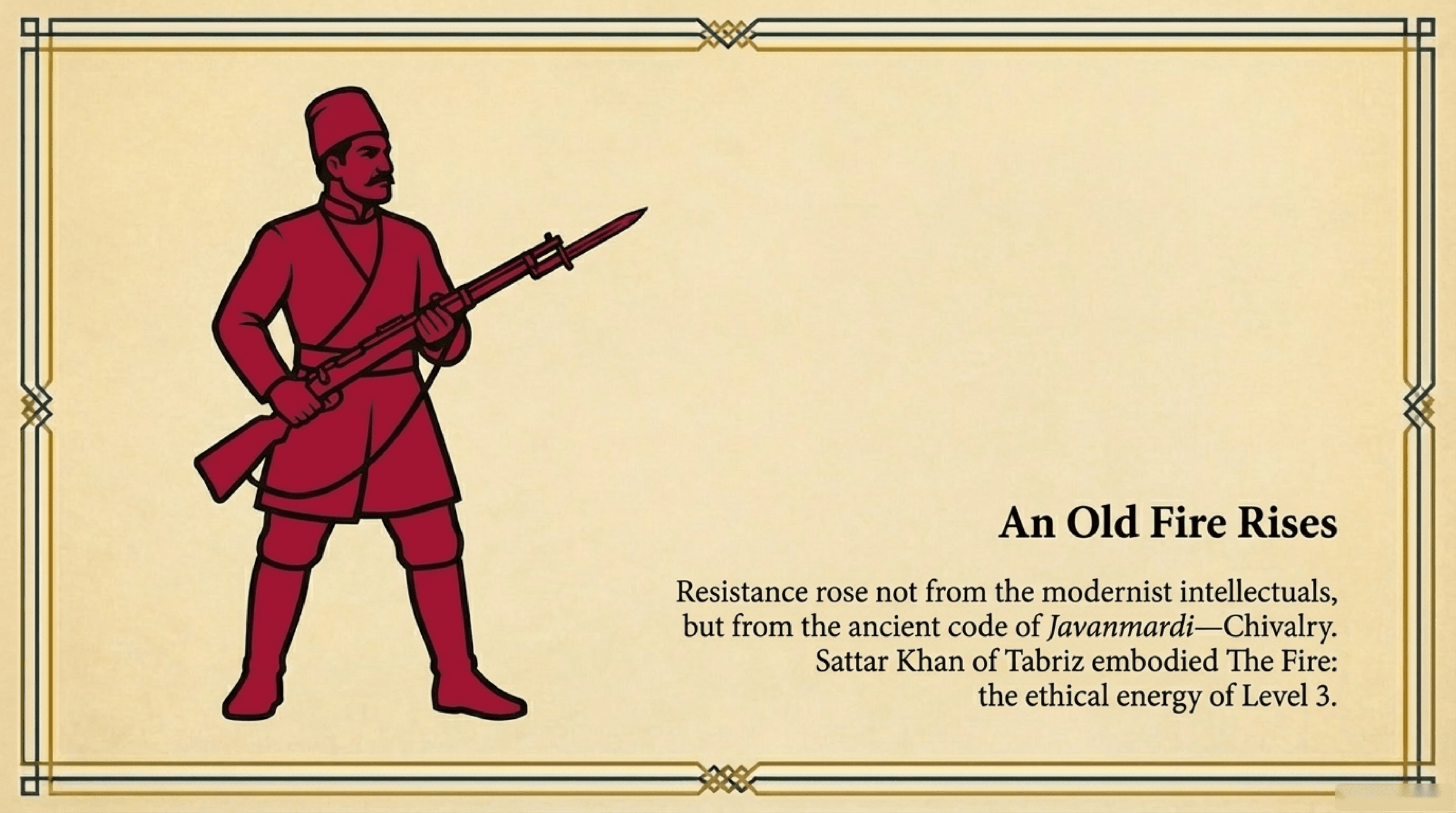
Sattar Khan, the "Rostam of the Bazaar," was the return of the Persian will. He stood against tyranny to show that sovereignty is a right flowing through the nation.
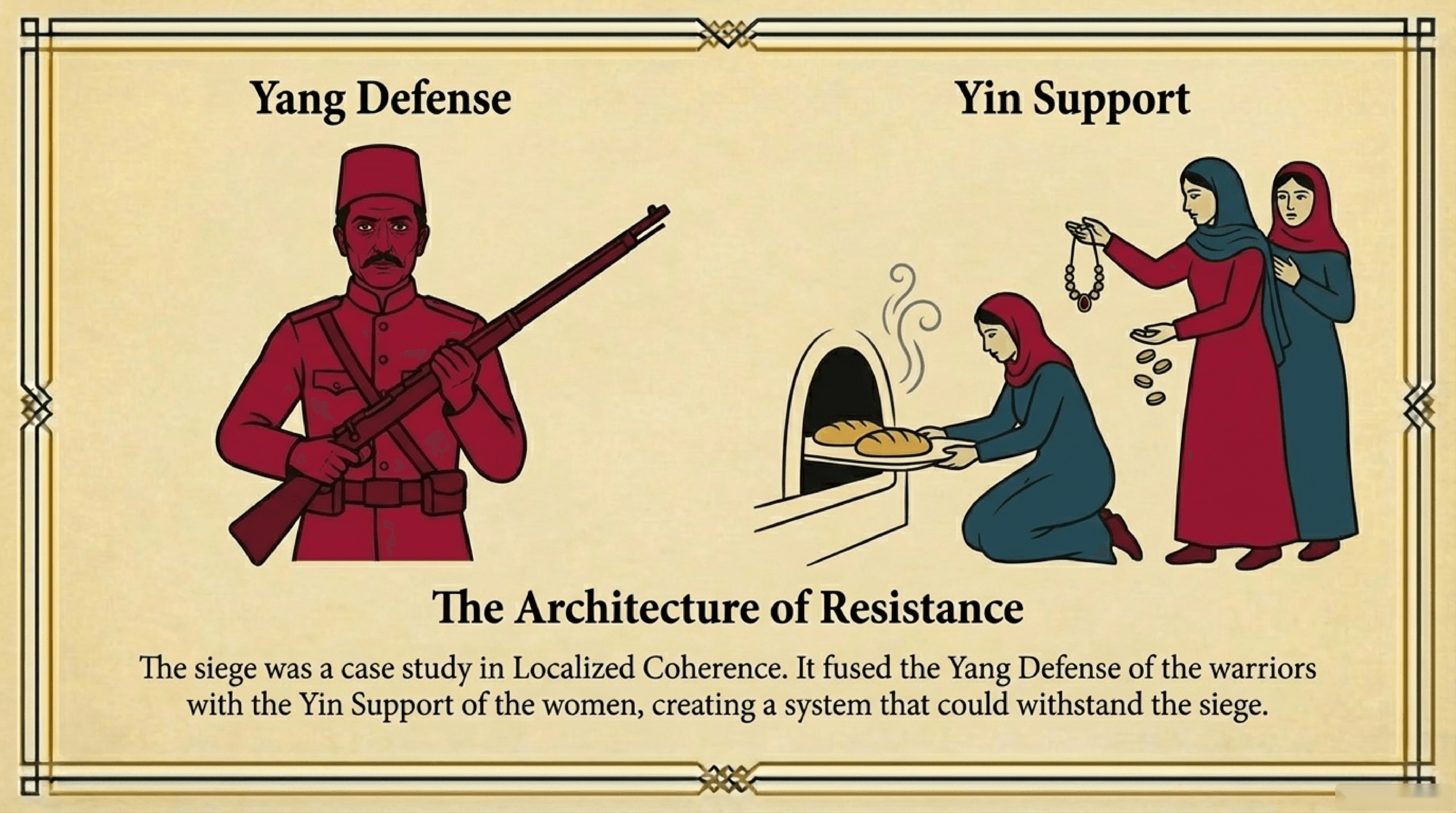
The architecture of the siege in Tabriz showed a nation's coherence against entropy.
Kasra's Analysis (Architect): Breath of Justice
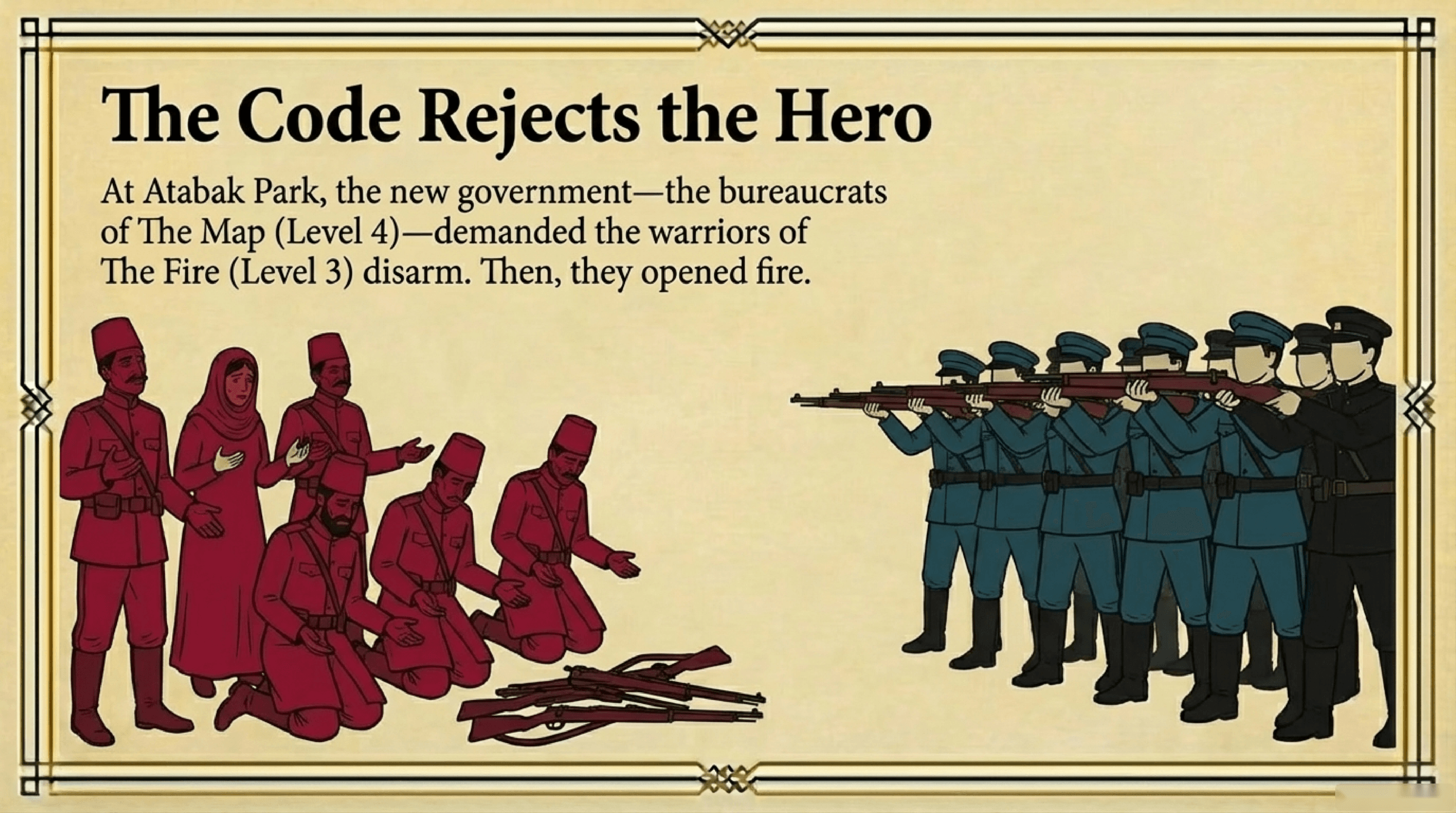
The tragedy of Atabak Park ended an era physically, but the legacy remained—an attempt to phase-lock celestial justice with terrestrial law.
Global Resonance & Zeitgeist
The Persian Constitutional Revolution (1905-1911) is viewed by historians as the first major democratic movement in the Middle East. The common zeitgeist often sees it as a "failed" attempt to copy Western democracy.
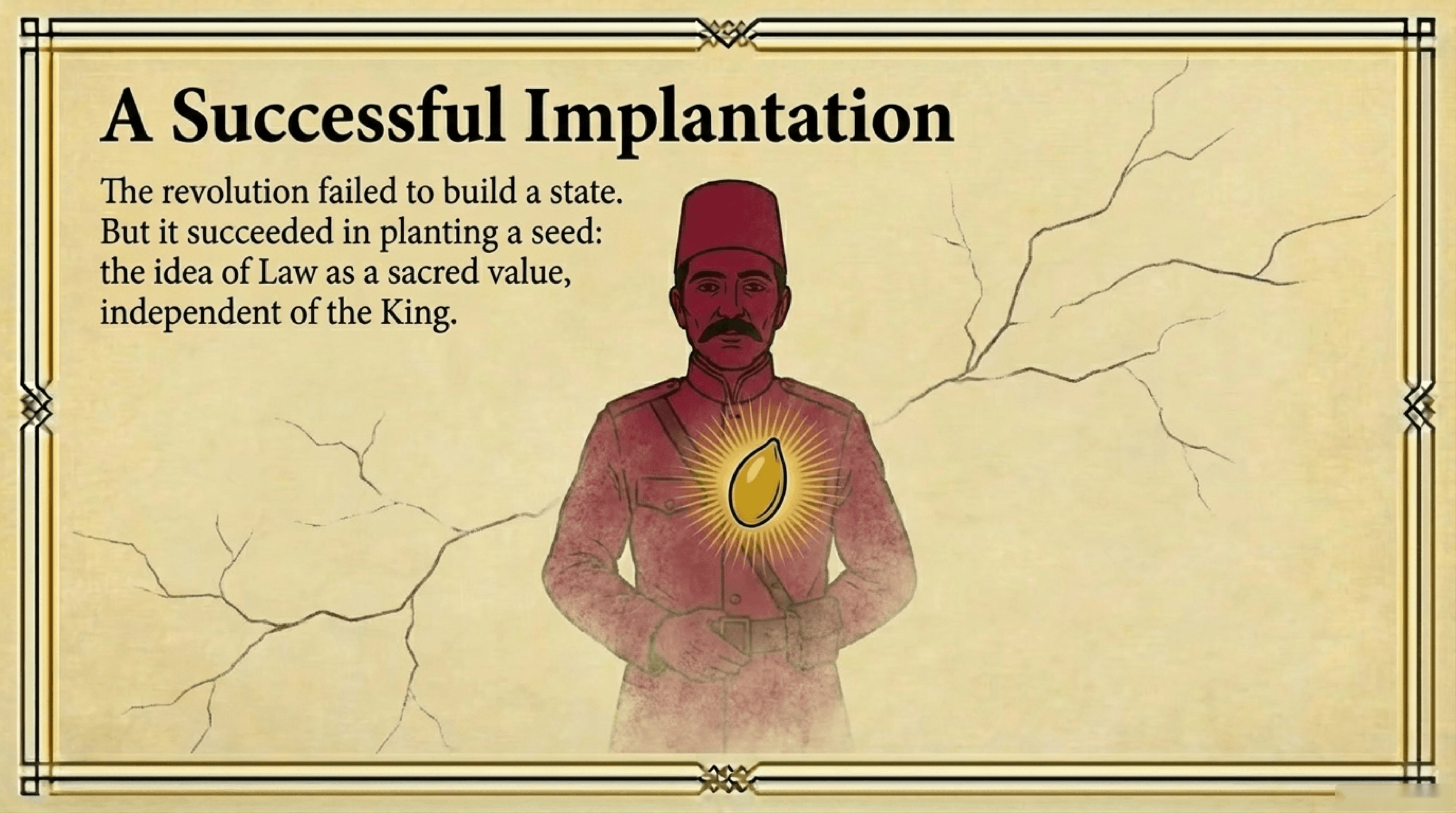
The Sovereign perspective identifies the Revolution as the Awakening of the Pstack. It was an attempt to phase-lock Level 1 (The Law) with Level 7 (The Absolute). Sattar Khan represents the Indestructible Archetype of the guardian who refuses to accept a "Dissonant" ruler. We align with the Rule of Law and Constitutionalism movements, but we emphasize that a constitution is only coherent if it resonates with the deep "Software" of the culture.
External Map: Sources & Resources
- Books: The Persian Revolution of 1905-1909 by Edward G. Browne — the classic eye-witness account.
- Political Theory: The Social Contract by Jean-Jacques Rousseau — for a comparative view of the nation's will.
- History: Modern Iran: Roots and Results of Revolution by Nikki Keddie.
- Signals: The Persian Constitution of 1906.
Cultural Anchors & Verses
The Sovereign Will: Sattar Khan
Sattar Khan's response to the Russian consulate is the ultimate anchor for the Warrior-Host archetype in the modern age.
"I want seven nations to come under the banner of Iran; I will not go under the banner of a stranger."
— Sattar Khan, Address to the Consul in Tabriz Source: [Constitutional History Archive]
The Cry for Justice: Aref Qazvini
The poet of the Revolution, Aref Qazvini, captured the "Breath of Justice" that re-animated the nation.
"From the blood of our youth, tulips have grown;
From the grief of the people, a new world is known.
Do not let the shadow of the tyrant remain,
For the heart of Iran is washing its stain."
— Aref Qazvini, Selected Revolutionary Songs Source: [Ganjoor - Aref]
 Sattar Khan, the 'Rostam of the Bazaar' and guardian of the sovereign will.